

The sheer scale is astonishing: Richard Wagner’s Ring of the Nibelungen, affectionately known as the Ring Cycle, is a four-opera retelling of a grand Nordic myth that spans about 15 hours. It features an orchestra of nearly a hundred and recounts a story that moves from the depths of the Rhine to the halls of Valhalla.
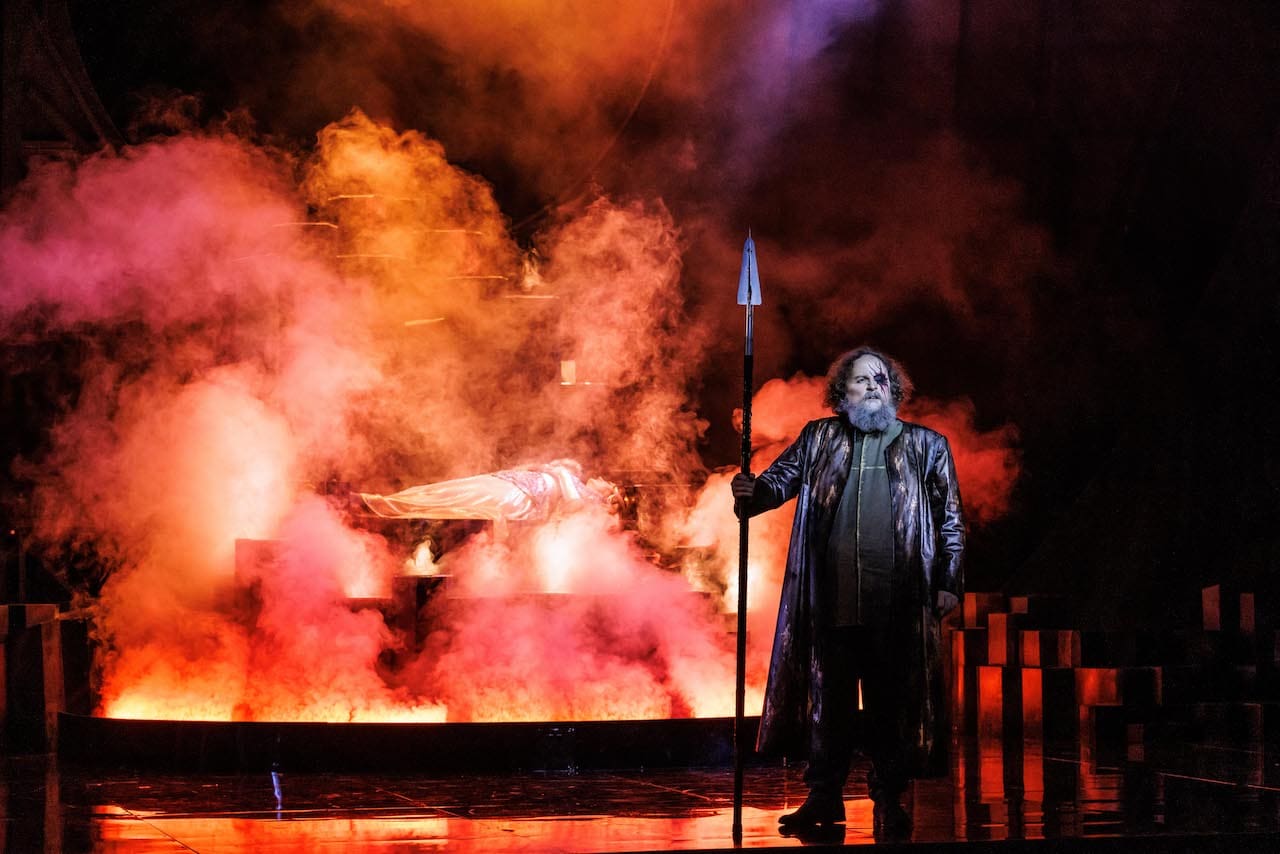
Staging the Ring Cycle is a significant endeavor for any opera company, and it was a surprise when Melbourne Opera announced its production in Bendigo, a rural town in Victoria. With 130 performers and crew, and a set weighing five tonnes, this production marks an historic moment for regional opera in Australia.
Opera at this scale in the Australian countryside is unprecedented. The decision to hold the production in Bendigo came after commercial theatre congestion in Melbourne forced the company to look for alternatives. “We always thought we’d do maybe one cycle in Bendigo,” says director Suzanne Chaundy, “but then we began to think, maybe it would be great to premiere the season there. Creating a whole festival environment in a relatively small town gives it a concentrated hotbed feeling.”

The operas were performed in three cycles over six weeks last year. Each cycle included Das Rheingold and Die Walküre on a Friday evening and Sunday afternoon, followed by Siegfried and Götterdämmerung the next weekend. Bendigo also organised events to enhance the city’s understanding of Wagner, including concerts, masterclasses, and a soprano performance in the Deborah goldmine.
Bendigo spent over a decade building the cultural capital necessary to host such a grand event. The 500-seat Capital Theatre is 150 years old, but it’s the Bendigo Art Gallery and its winter blockbuster exhibitions that have made the town a national tourism destination. The Ulumbarra Theatre, converted from the old Sandhurst gaol in 2015, hosted the Ring Cycle.
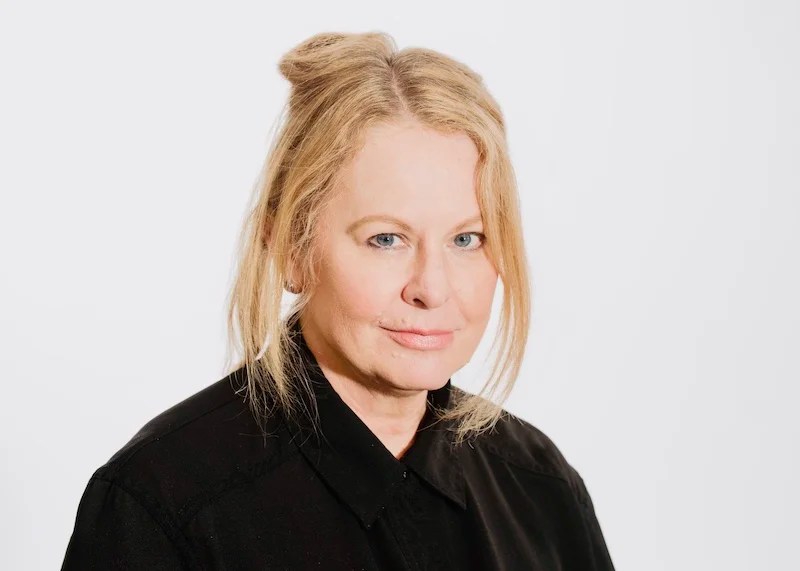
Julie Amos, Bendigo’s manager of venues and events, credits the theatre’s stage size and scenery capacity for securing the production. However, the limited backstage space requires sets to be transported to a depot between operas, a significant logistical challenge given the massive set designed by Andrew Bailey.
Wagner placed great importance on the Ring Cycle’s design, requiring high-impact stage effects. Chaundy’s production included aerial artists, a ring of fire, a dragon slaying, and an apocalyptic immolation, achieving a balance between grandeur and directorial restraint.
The orchestra pit, designed to accommodate the 90 musicians Wagner’s score demands, was a tight fit. The Melbourne Opera Orchestra, led by internationally renowned Wagner experts Anthony Negus and David Kram, performed in a unique configuration that gave prominence to the strings and prevented the singers from being overpowered.
The entirely Australian cast of Melbourne Opera, a company sustained solely by patronage, worked with remarkable synergy. Antoinette Halloran, made her debut as Brünnhilde, described the role as both dramatic and vocally demanding. She highlighted the need for recovery time between performances, likening it to playing a game of football.
Despite the production’s overwhelming scale, there’s a cosmic and wondrous experience that unfolds during the Ring, a sense that audiences are touching the divine. Chaundy notes, “You do come away feeling you’ve had a life-changing experience.”
The success of the Bendigo Ring can be measured in various ways. While some critics argue that the high ticket prices alienate local audiences, the pride and cultural boost it brings to Bendigo are undeniable. For Chaundy and the local crew, the production’s success is a testament to their capabilities and a challenge to any doubters.
Wagner’s four-part Ring Cycle was performed in Bendigo in 2023 by Melbourne Opera, with three cycles.
 Hancock Artists